
Abu Dhabi Free Zones represent a modern approach to business regulation, where efficiency and specialization come together to support economic development. Instead of traditional setups, these zones are designed as integrated business ecosystems that simplify operations while maintaining strong legal oversight.
What Is An Abu Dhabi Free Zone?
An Abu Dhabi free zone is a designated business area with its own licensing authority, sector focus, and business setup framework. Free zones are designed to attract investment, support specific industries, and make company formation easier for local and foreign investors.
ADDED explains that Abu Dhabi’s free zones provide strategic locations, streamlined setup support, 100% foreign ownership, cost-effective operations, repatriation of capital and profits, and dual licensing options.
In practical terms, a free zone may suit investors who want:
• 100% foreign ownership
• a sector-specific business environment
• simplified company setup
• access to regional and international markets
• office, warehouse, industrial, or flexi-desk options
• UAE residence visa eligibility
• a recognised legal structure for contracts and banking
However, a free zone company is not automatically suitable for every business. The most important legal question is whether the company needs to trade directly in the Abu Dhabi or UAE mainland market.
List Of Free Zones In Abu Dhabi
Abu Dhabi has several major free zones, each designed for different industries.
ADDED lists Abu Dhabi Global Market, KEZAD, Masdar City, Abu Dhabi Airports Free Zone, twofour54, and Industrial City of Abu Dhabi as Abu Dhabi free zones.
| Free Zone | Focus Area |
| Abu Dhabi Global Market (ADGM) | Finance, fintech, banking, and professional services |
| Khalifa Economic Zones Abu Dhabi (KEZAD) | Manufacturing, logistics, and industrial operations |
| Masdar City Free Zone | Renewable energy, sustainability, and innovation |
| Abu Dhabi Airport Free Zone (ADAFZ) | Aviation, cargo, logistics, and airport services |
| twofour54 Abu Dhabi | Media, entertainment, gaming, and digital content |
| Industrial City of Abu Dhabi (ICAD) | Heavy industry, engineering, and manufacturing |
| ZonesCorp | Industrial development and economic diversification |
| Al Ain Free Zone | SMEs, trading, consultancy, and cost-effective setup options |
Benefits of Abu Dhabi Free Zones
Abu Dhabi free zones offer a flexible and investor-friendly environment for startups, SMEs, and multinational companies looking to establish or expand their presence in the UAE.
100% Foreign Ownership
Most Abu Dhabi free zones allow full foreign ownership, enabling investors to establish and control their companies without a local partner.
Strategic Market Access
Their location connects businesses to regional and global markets across the Middle East, Africa, Asia, and Europe through strong logistics networks.
Industry-Specific Ecosystems
Free zones are designed for specific sectors such as finance (ADGM), industry (KEZAD), media (twofour54), aviation (ADAFZ), and sustainability (Masdar City).
Flexible Office Solutions
Businesses can choose from flexi-desks, serviced offices, warehouses, or industrial facilities depending on their size and operational needs.
Simplified Company Setup
Free zones offer fast and streamlined incorporation processes with integrated licensing, visa support, and digital registration systems.
Visa Sponsorship
Companies can sponsor residence visas for owners and employees, allowing them to live and operate legally in the UAE.
Potential Tax Benefits
Eligible free zone companies may benefit from UAE Corporate Tax incentives, subject to compliance with regulations and qualifying conditions.
Strong Infrastructure & Support
Free zones provide modern infrastructure, logistics access, and business support services tailored to different industries.
Regional Business Flexibility
They offer an ideal structure for international companies managing regional headquarters, trade, and cross-border operations.
Dr. Ahmed AlRamsy Advocates And Legal Consultancy can be engaged to provide legal assistance in establishing your company in Abu Dhabi and its free zones in accordance with applicable UAE laws and regulations.
Which Abu Dhabi Free Zone Is Best For Your Business?
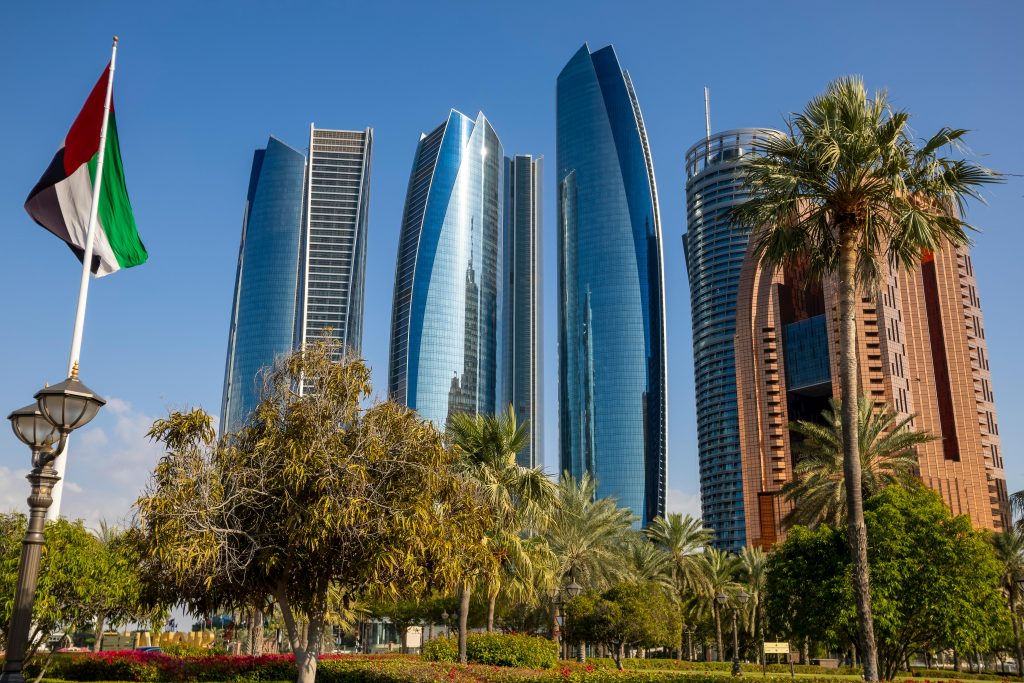
The best Abu Dhabi free zone depends on your business activity, budget, operational needs, and whether you need access to the UAE mainland market.
Some of the most popular options include:
• ADGM : suitable for finance, fintech, holding companies, and professional services
• KEZAD: ideal for logistics, warehousing, manufacturing, and industrial businesses
• Masdar City Free Zone: popular for sustainability, technology, and consultancy companies
• Abu Dhabi Airports Free Zone (ADAFZ): designed for aviation, cargo, and airport-related businesses
• twofour54: focused on media, content creation, and creative industries
Before choosing a free zone, businesses should compare:
• licence costs
• visa eligibility
• office requirements
• permitted activities
• mainland trading restrictions
• tax considerations
• long-term expansion plans
How To Set Up A Company In An Abu Dhabi Free Zone
Setting up a company in an Abu Dhabi free zone involves a clear legal process that includes selecting the right jurisdiction, submitting documents, and completing licensing and visa procedures. The process is designed to be straightforward but requires proper preparation to avoid delays.
Choose the Appropriate Free Zone
Start by selecting the free zone that matches your business activity, such as ADGM for financial services, KEZAD for industrial activities, or twofour54 for media and creative businesses.
Define Business Activity and Legal Structure
You must clearly specify your business activity (trading, consultancy, manufacturing, etc.) and choose the legal structure, such as business law.
- Free Zone Establishment (FZE)
- Free Zone Company (FZC)
- Branch of a foreign/local company
Reserve Trade Name
Submit a trade name application to ensure your company name complies with Abu Dhabi free zone regulations and is available for registration.
Prepare and Submit Application
Complete the official application form provided by the free zone authority and submit it along with the required documents.
Required Documents (may vary by free zone):
- Passport copy of shareholders and directors
- Passport-sized photographs
- Emirates ID (if applicable)
- Proof of residential address (utility bill or tenancy contract)
- Business plan (required for certain activities)
- CV or professional profile (for regulated activities)
- Parent company documents (for branch registration)
Obtain Initial Approval
The free zone authority reviews your application and documents. If approved, you receive initial approval to proceed with company setup.
Lease Office Space
Select a suitable office solution based on your needs, such as flexi-desk, serviced office, warehouse, or industrial unit.
Pay Fees and Receive Licence
After completing payments for registration, licence, and office lease, the free zone issues your official trade licence.
Visa Processing and Establishment Card
Apply for:
- Establishment card (company immigration file)
- Investor and employee residence visas
- Emirates ID and medical testing (as required)
Open Corporate Bank Account
After company formation, you can apply to open a corporate bank account in the UAE, subject to bank compliance checks.
Read More: Requirements for Contract Verification in Abu Dhabi and Dubai
UAE Free Zone Business Setup Cost Guide
The cost of setting up a business in a UAE free zone varies based on several factors, including the emirate, business activity, licence type, office space requirements, number of visas, and any additional regulatory approvals. Although free zones often offer competitive packages, choosing the right structure is essential for long-term success.
It is important for investors to look beyond the lowest-cost option and select a free zone that aligns with their business activity, target market, visa requirements, banking needs, and future expansion plans.
What Influences the Cost of Setting Up a Business in the UAE Free Zones?
The cost of setting up a business in a UAE free zone depends on several factors, including the chosen free zone, business activity, licence type, office requirement, and number of visas needed.
Common cost factors include:
• business licence fees
• company registration charges
• office or flexi-desk packages
• visa and immigration costs
• number of shareholders and employees
• warehouse or industrial facility requirements
• external approvals for regulated activities
• legal, accounting, and administrative expenses
For example, a consultancy business using a flexi-desk package will usually cost less than a trading or manufacturing company that requires multiple visas, warehousing, or industrial facilities.
Learn More: Best 10 Lawyers in Dubai & AbuDhabi
When Should You Speak To Al Ramsy Advocates UAE Lawyers for Abu Dhabi Free Zone Matters?
You should consult Al Ramsy Advocates UAE Lawyers when dealing with any legal or regulatory issues related to setting up or operating a business in Abu Dhabi Free Zones. Early legal advice helps ensure smooth incorporation and full compliance with free zone regulations.
- Before setting up a free zone company
Al Ramsy Advocates helps you choose the right Abu Dhabi free zone and legal structure based on your business activity and goals. - When selecting business activity and licence type
Their lawyers ensure your chosen activity aligns with free zone regulations and avoids future restrictions. - During company registration and documentation
The firm assists in preparing and reviewing all required documents for a smooth registration process. - When dealing with regulatory approvals
Al Ramsy Advocates supports clients in obtaining approvals from relevant free zone authorities efficiently. - For understanding visa and immigration requirements
Their legal team guides you through investor visas, employee visas, and establishment card procedures. - When reviewing office lease agreements
The firm ensures your workspace contracts in Abu Dhabi free zones are legally sound and suitable for your business needs. - For compliance with UAE Corporate Tax and free zone rules
Al Ramsy Advocates provides guidance on tax obligations and qualifying free zone conditions. - When expanding or restructuring your free zone company
Their lawyers assist with amendments, branch setup, or scaling your operations within or outside the free zone.
FAQs About Abu Dhabi Free Zones
Can Expats Own An Abu Dhabi Free Zone Company?
Yes. Abu Dhabi free zones generally allow 100% foreign ownership, making them attractive for UAE residents and foreign investors.
Can A Free Zone Company Work Outside The Free Zone?
A free zone company may need a dual licence, mainland branch, distributor, or other approval to operate directly in the mainland market. This should be checked before choosing the free zone.
What Is The Abu Dhabi Free Zone License Cost?
The cost depends on the free zone, activity, licence type, visa quota, office package, and required approvals. Service activities usually cost less than industrial, logistics, or regulated activities.
Do Abu Dhabi Free Zone Companies Pay Corporate Tax?
UAE Corporate Tax may apply depending on the company’s income, structure, qualifying status, and transactions. Free zone companies should review whether they meet the conditions for Qualifying Free Zone Person treatment.
How can I reduce office space costs in a free zone?
You can reduce office costs by choosing flexi-desks or shared workspaces instead of private offices, selecting packages with limited visa quotas, and starting with the minimum space requirement allowed by the free zone. Some free zones also offer scalable options that let you upgrade later as your business grows.
Are there hidden fees when setting up businesses in UAE free zones?
Most free zones are transparent, but additional costs may apply such as visa processing fees, establishment card fees, renewals, office upgrades, and government or regulatory approvals depending on your activity. It is important to review the full cost breakdown before setup to avoid unexpected expenses.
Do I Need A Physical Office?
Many free zones require some form of workspace, such as a flexi-desk, serviced office, warehouse, or facility. The required office type depends on the activity, visa quota, and free zone rules.
Can I Get A Visa Through An Abu Dhabi Free Zone Company?
Yes, many Abu Dhabi free zone companies can sponsor residence visas, subject to licence type, office package, immigration quota, and free zone rules.
Conclusion
Abu Dhabi Free Zones represent a strong gateway for business growth in the UAE, offering tailored solutions for different industries. With proper legal guidance, companies can fully benefit from the available setup options and regulatory advantages.